
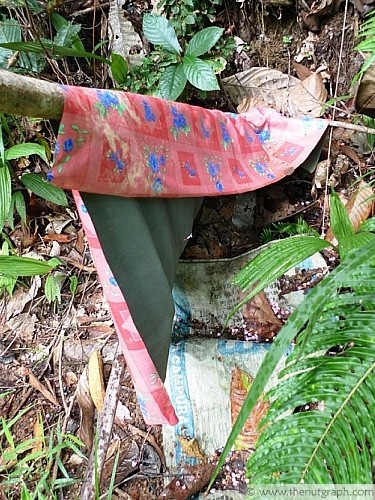
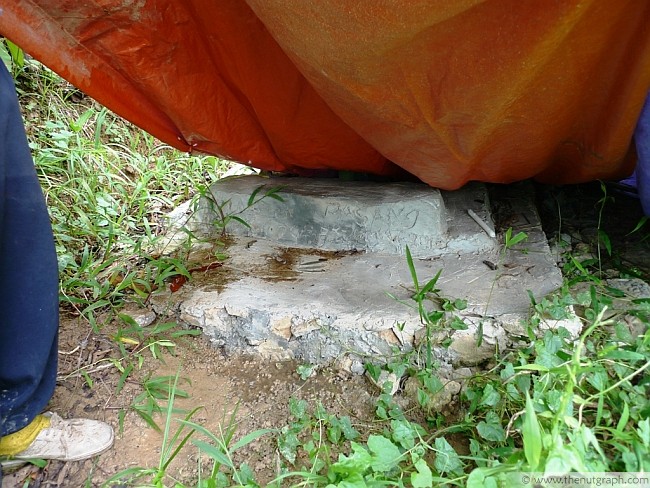
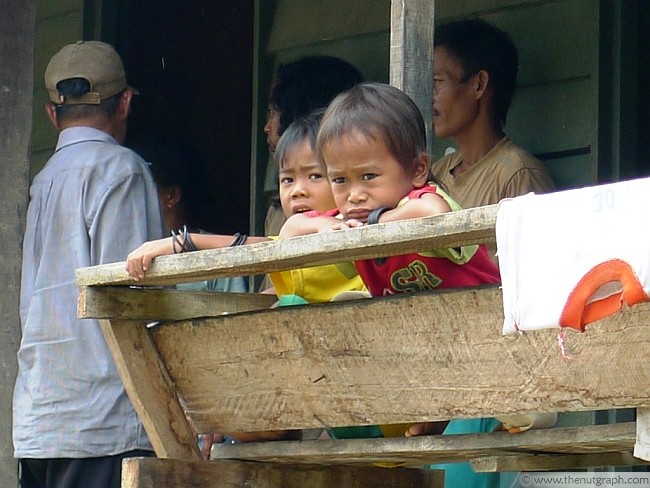
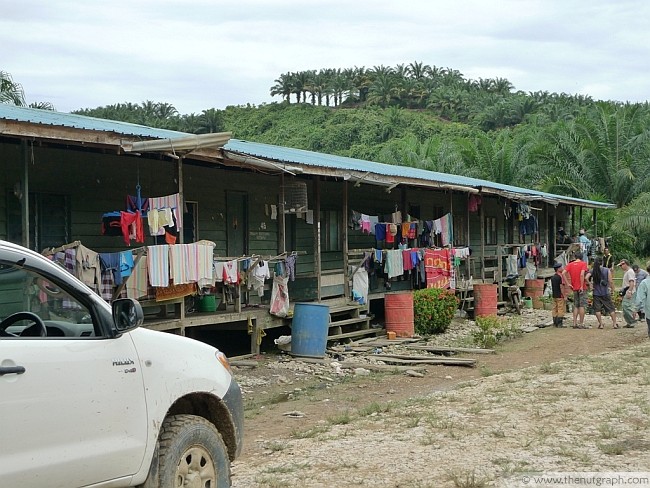
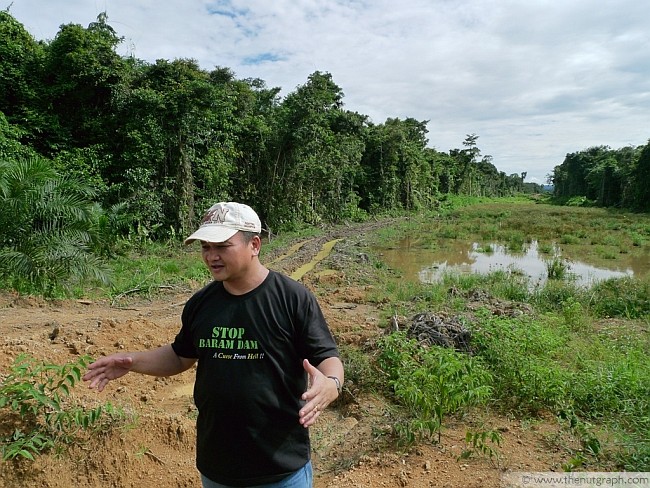
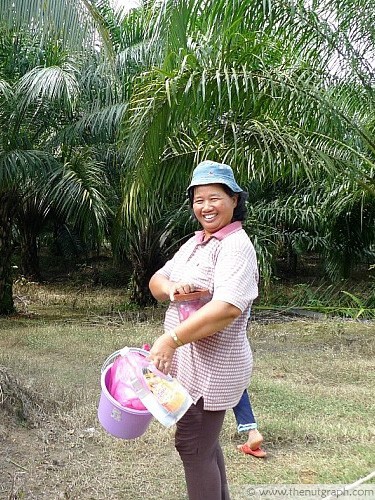
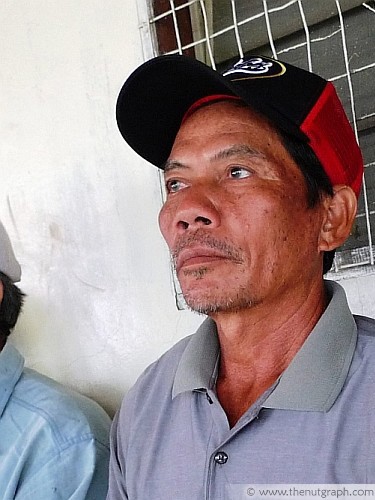
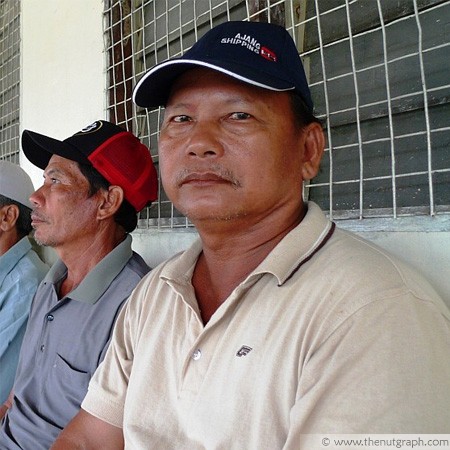
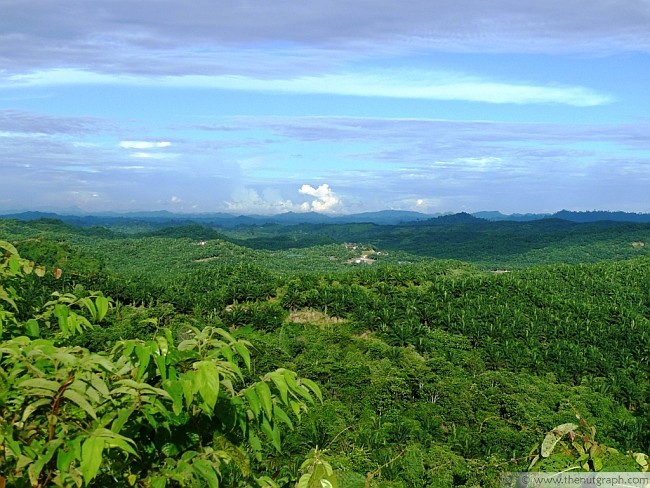
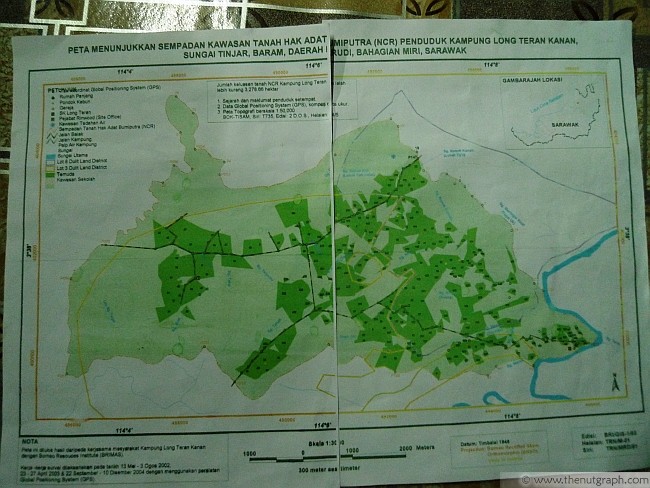
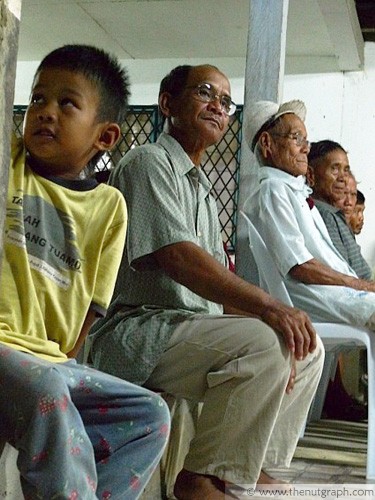
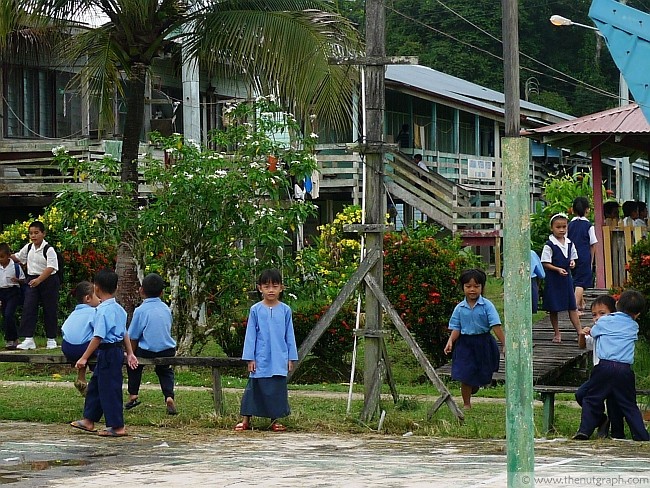
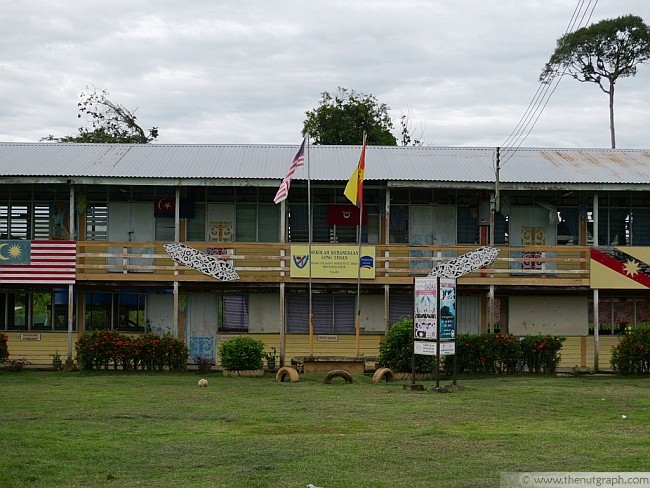
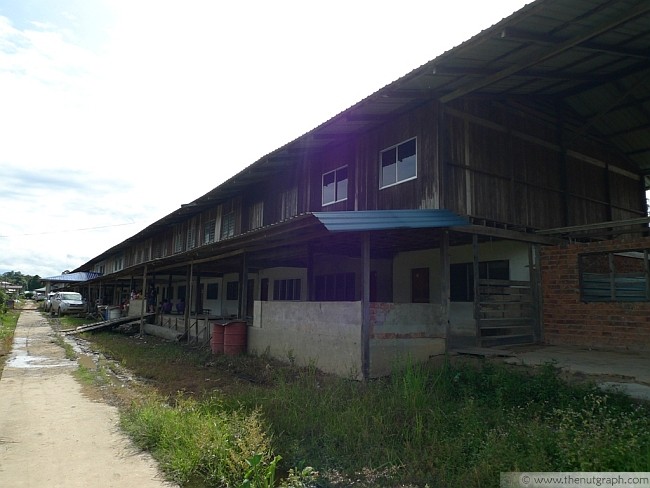
THE indigenous peoples in Long Teran Kanan, Sarawak have been engaged in a legal battle with an oil palm plantation over their native customary land for more than a decade.
In 1996, Rinwood Pelita Plantation, a joint venture between Rinwood and Sarawak’s Land Custody and Development Authority, bulldozed everything on the community’s land. Outraged, the Kayan and Kenyah villagers sued the company in 1997. They won the court case earlier this year in March. But until today, the villagers have yet to receive the appropriate compensation for their lost land, destroyed crops and properties.
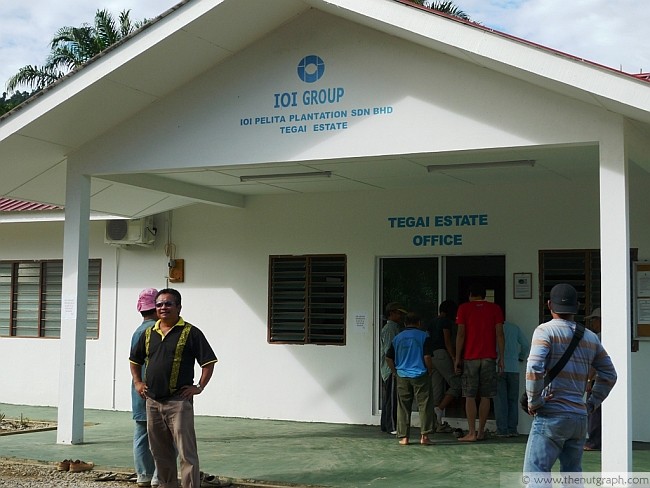
IOI Group inherited the court case in 2006 when they took over Rinwood Pelita Plantation. Renamed IOI Pelita Plantation, the company promised villagers in a November 2009 meeting that they would not appeal if the company lost the court case. This was revealed in the minutes of the meeting.
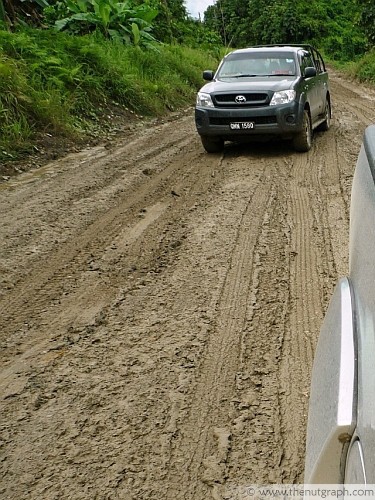
However, the company filed an appeal in April 2010 after the Miri High Court declared that the provisional land leases issued by the state to the company were “null and void”. Despite the High Court’s ruling, IOI Pelita Plantation continues to trespass on the community’s native customary lands. Already deprived of their right to livelihood, plantation activities are now threatening to pollute the villagers’ last water catchment area as well, The Nut Graph found on a trip into the village in August 2010.
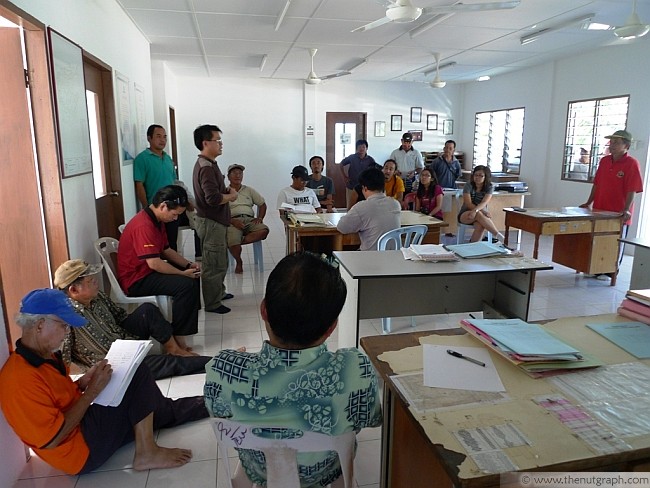
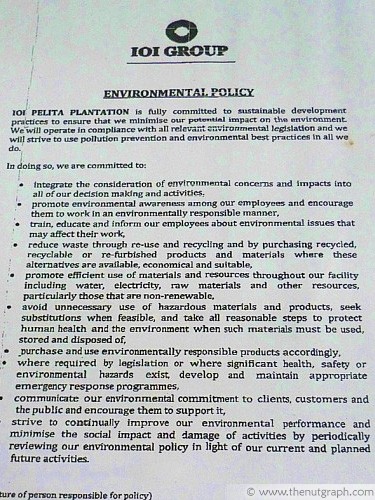
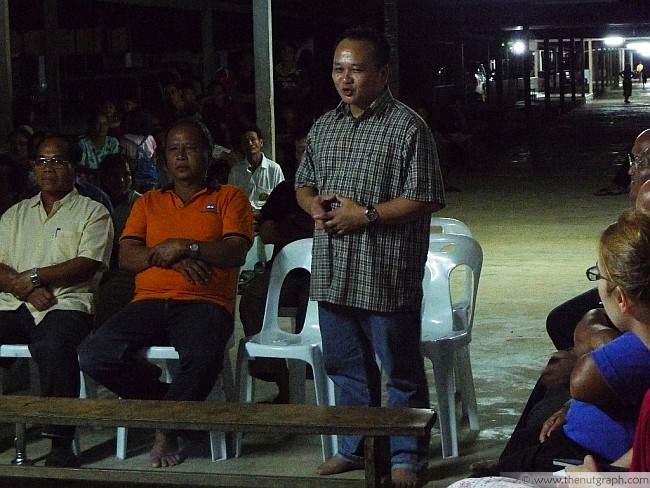
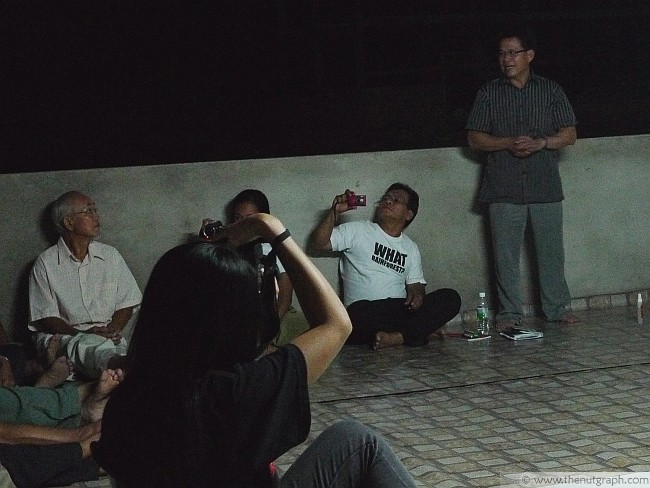
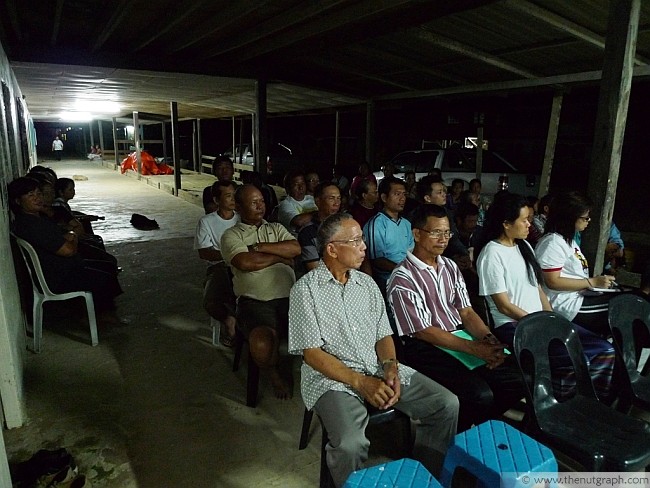
Through the years, the community has tried to negotiate with the company, and sought help from their elected representatives and other government agencies but to no avail. Frustrated, the embattled community invited representatives from the Palm Oil Monitoring Initiative, the Sarawak Dayak Iban Association (Sadia), and the Sarawak Indigenous Lawyers Alliance to their village in August 2010. In investigating the villagers’ claims, these groups found evidence that IOI Pelita Plantation has violated the standards of the Roundtable on Sustainable Palm Oil (RSPO), of which IOI Group is a member.
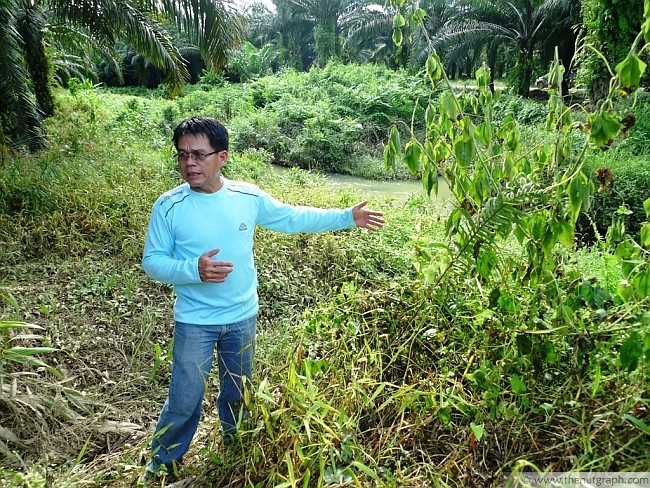
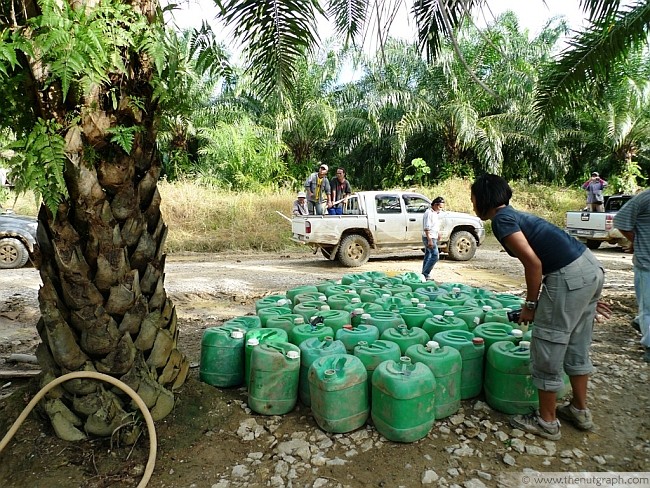
The Nut Graph found, for example, that oil palms were planted near the river without any space for a buffer zone. Chemicals were also mixed and sprayed close to the river, risking the contamination of the villagers’ water source.
RSPO principles also require oil palm companies to maintain open communications with all stakeholders, including affected communities.
“As a founding member of RSPO, IOI’s behaviour on the ground is appalling,” says Palm Oil Monitoring Initiative project coordinator Shafinaz Suhaimi. She adds that nothing much has changed for the community since the court ruling in March, and that every moment of delay is costing the community. 
Next week: A short-lived joy in Baram, Sarawak
The Nut Graph needs your support

lkl says
I wonder when the days will come when concerned citizens can wield their collective purchasing power to compel big corporations to discharge their social responsibility conscientiously.
Surya Borhanuddin says
Maybe can start now and keep shouting. Companies selalu nak jaga reputation kan…
Surya Borhanuddin says
Hello Nut Graph,
Mana IOI’s side of the story? Or do we have to wait for next week’s continuation?
In your editorial policy, you say:
“We will give all legitimate stakeholders of an issue a fair chance to have their views heard and published”.
Jacqueline Ann Surin says
Thanks for the important reminder 🙂
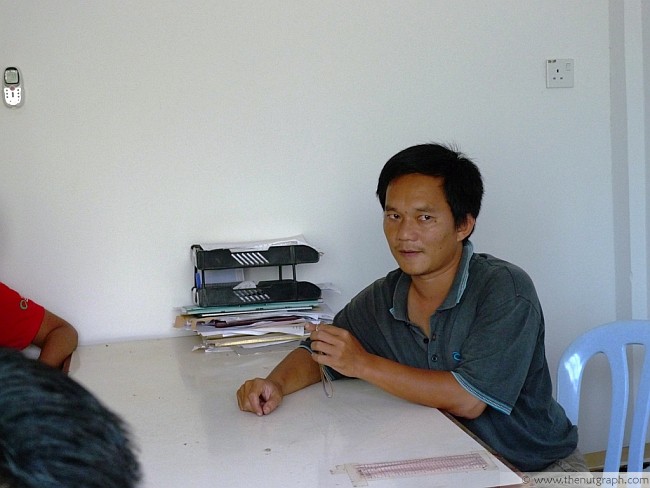
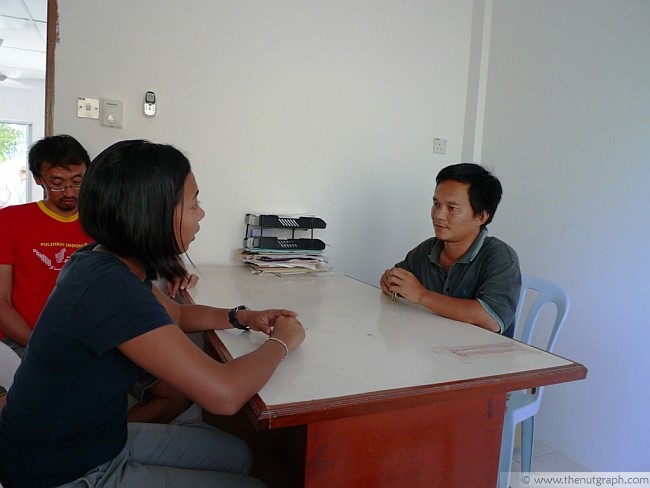
The journalist did try to get IOI Pelita’s side of the story. The captions for the picture gallery state that IOI’s estate assistant manager Ellevenson William Dueed, for example, claimed that the containers by the river held water.
He was also paid a visit at his office for a response to the villagers’ grouses. Additionally, estate manager Tan Kim Har was not present for the meeting with villaagers on 24 Aug so that he could give his company’s side of the story.
Our understanding was, IOI’s employees on the ground were the best people to respond to the villagers’ grouses yet they were either reluctant or unable to.
Still, that does not mean that we should not strive harder to clarify IOI’s point of view or at least to demonstrate that we did our very best to get their side of the story. We are attending to it for the second part of the story.
Thanks for holding us up to the standard we promised we would.
Jacqueline Ann Surin
Editor
Surya Borhanuddin says
Thank you for your kind reply. It would have been nice if the attempt to get IOI’s side of the story was written into the story, you know lah not everyone will look at the pictures.
Look forward to the next part of the story.
Nazeri Abghani says
RSPO appears to be adequate in ensuring good governance by the big players on the ground. But are the local communities sufficiently equipped to be the ears and eyes to validate the aspirations of RSPO? Most players seem to be on the list, but if they were all adhering to RSPO as they should, would we be facing all these issues?
Tuai Lah says
I am one of the Long Teran Kanan community and was there when these Palm Oil Monitoring Initiative groups (Sila, Sadia, Tenaganita etc) came to visit our village and lands. Some of the sites where IOI has trespassed upon were shown to these groups. Saya mengesahkan cerita di atas memang betul. But how I wish it could be published with more detail our suffering and grief, termasuklah kubur haram itu.
One more thing I would like to tell everyone out there: apabila kita pergi ke IOI Mentegai office for “talks” with IOI reps, we met the assistant manager Mr. E Dueed. But the IOI reps have twisted [the intention] of our visit by saying we “menceroboh their office”. Oleh itu mereka pun pergi membuat laporan polis. By right, who is the penceroboh, [especially in the face of] the Miri high court ruling? Is IOI really upholding the principals of RSPO as it claims? Macam itulah kejam dan jahatnya IOI Pelita.